One Campaign, Many Useful Stories: Building a Content System
The expensive part of content is often the original thinking and production. A planned system lets that investment keep working across channels.


Many campaigns are produced as a single hero asset. The film launches, the team posts a few stills and attention moves to the next deadline. The most expensive work—strategy, concept, location, people and production—creates value for only a short window.
A content system begins with a different question: what collection of useful stories can this central idea support? The hero film may remain important, but it becomes the anchor of a wider architecture rather than the entire campaign.
Planning before production makes the difference. A team can identify the long-form story, short demonstrations, behind-the-scenes moments, customer questions, leadership perspectives, product details and still compositions that belong to the same idea. The shot list then captures modules, not only scenes for one edit.
This does not mean publishing every possible cut. More content is not automatically better. The aim is to give each audience and channel the most suitable entry point while keeping the message coherent.
“Repurposing is not copying the same post everywhere; it is preserving one idea while adapting the experience.”
A website visitor may need a quiet case-study film with context. A vertical social viewer needs an immediate opening and captions. A sales team may need a focused proof point. An internal audience may value the process story. Each version performs a different job.
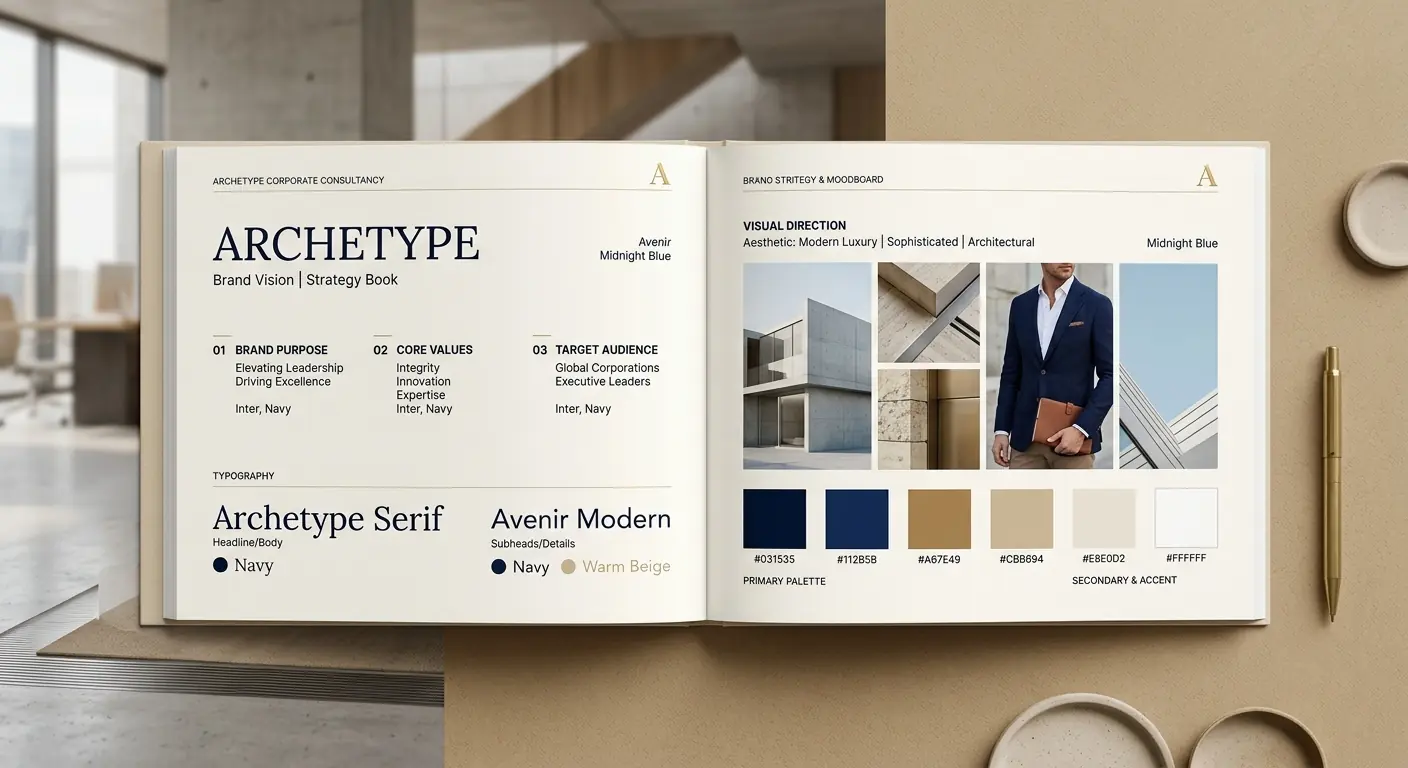
A recognisable visual and verbal system keeps those versions connected. Consistent framing, typography, colour, sound cues and message hierarchy allow variety without losing ownership. The campaign becomes familiar before it becomes repetitive.
This approach also improves measurement. Instead of judging one asset as a success or failure, the team can learn which angle attracts attention, which explanation creates intent and which proof helps conversion. Those lessons feed the next campaign.
The result is not content for content’s sake. It is a more responsible use of creative investment: one strong idea, designed from the beginning to travel further and remain useful for longer.