The Hidden Cost of an Inconsistent Brand System
When every proposal, package, campaign and social post starts from zero, the business pays in time, trust and recognition—not only design fees.

Brand inconsistency is often treated as a cosmetic problem: the wrong blue, a stretched logo or an off-brand font. Those details matter, but the larger cost sits inside the way the organisation works.
When there is no usable system, every new item becomes a fresh creative debate. A sales deck, product label, event banner and social post are designed independently. Teams spend time searching for old files, recreating layouts and requesting approvals for decisions that should already be settled.
The external effect is equally expensive. Customers see fragments instead of a coherent organisation. They may not consciously identify the inconsistency, but recognition accumulates more slowly and the business feels less established than it is.
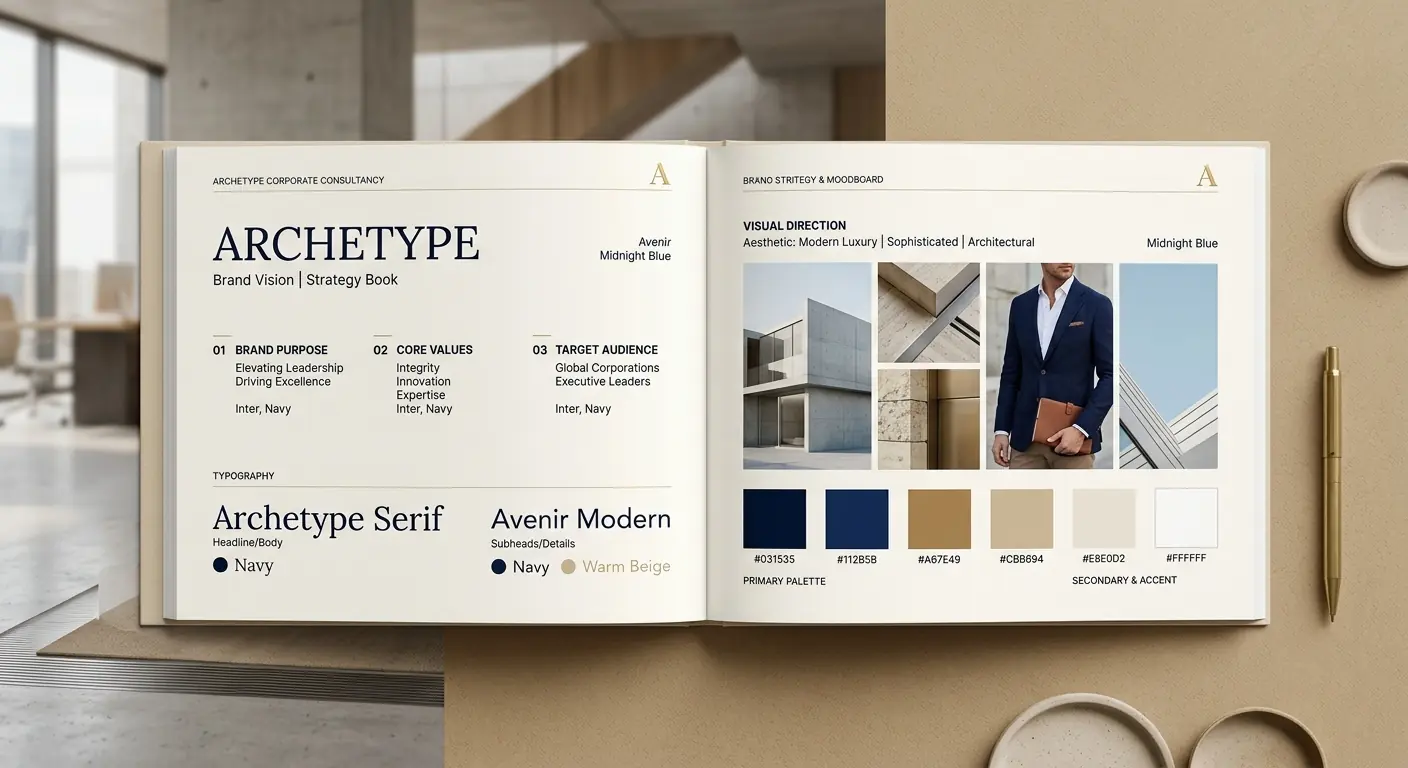
A logo guide alone rarely solves this. Real consistency comes from a broader grammar: type hierarchy, spacing, image behaviour, colour roles, icon style, tone of voice, motion principles and examples of how the system responds to different content.
“If the logo must always be visible for the work to feel related, there may be an identity—but there is not yet a system.”
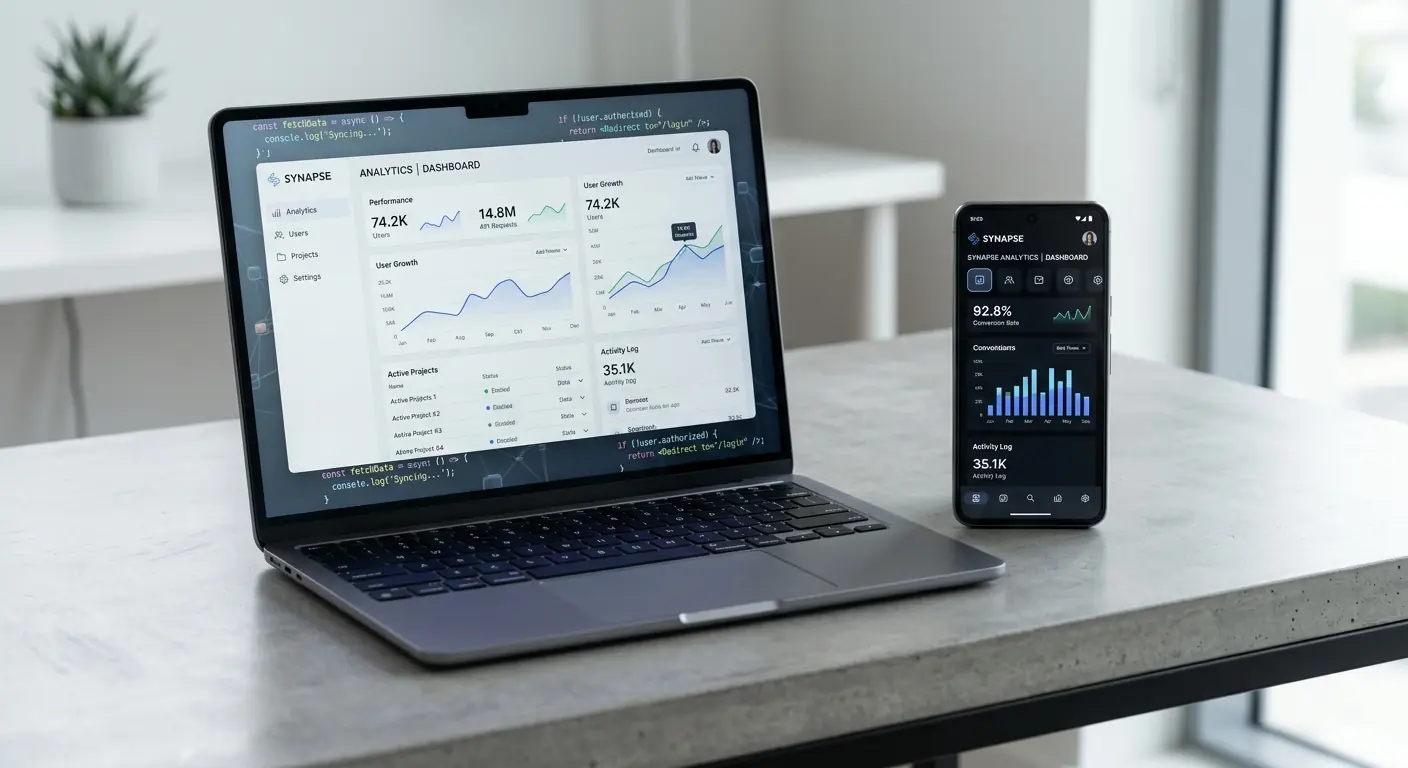
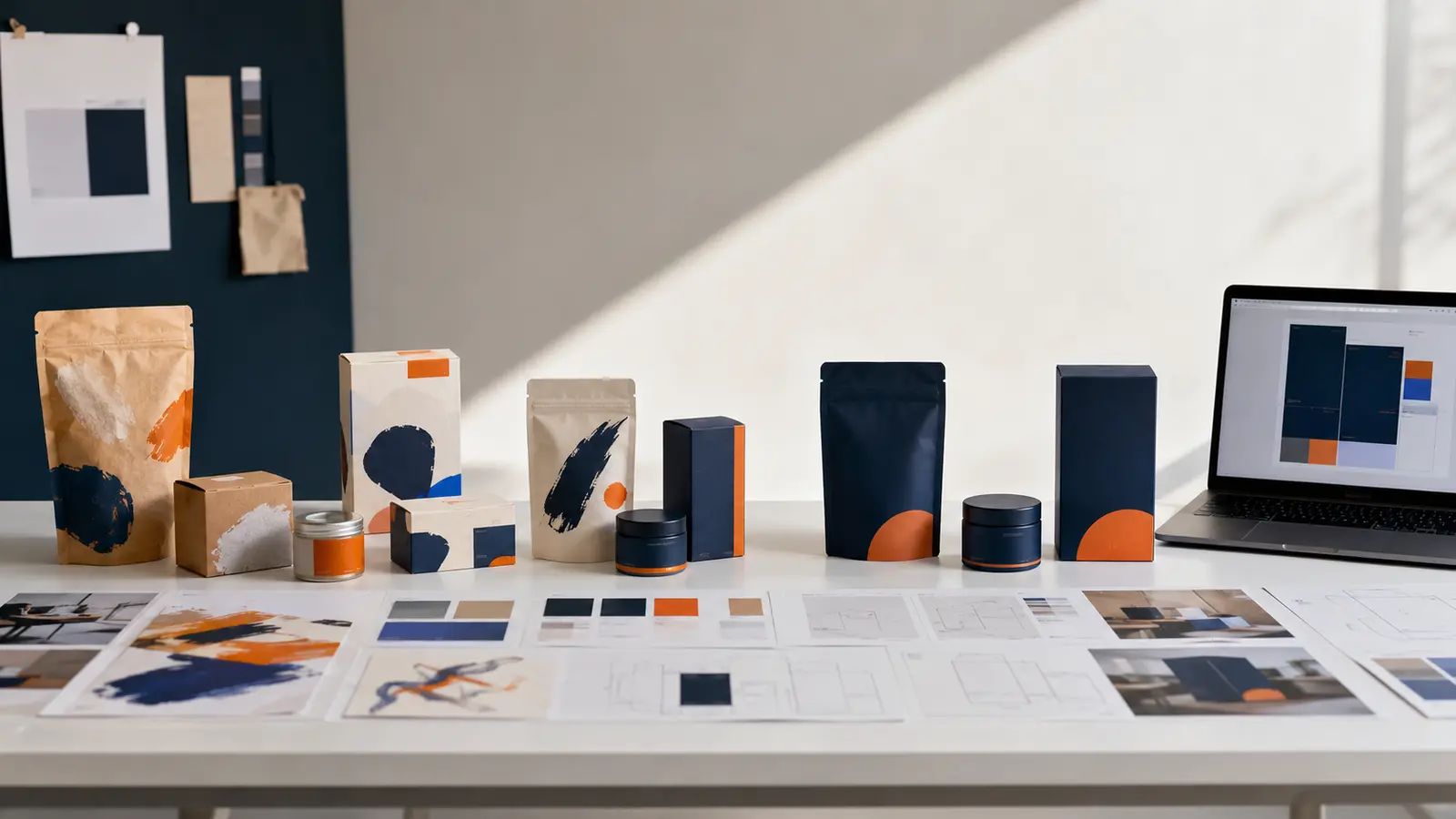
The system should also acknowledge production. A packaging identity must work across substrates, inks, sizes and SKU families. A digital identity must remain accessible and fast. A social system must help a team publish quickly without producing the same template forever.
This is why consistency should not be confused with sameness. A mature identity can be expressive because its underlying logic is stable. The audience recognises the rhythm even when the composition changes.
The best test is operational: can a competent team create the next common asset without asking the original designer to make every decision again? If not, the brand may have beautiful outputs but little organisational memory.
Investing in a system changes design from a recurring emergency into an asset. It reduces friction, increases recognition and gives future creative work a stronger place to begin.